
Bitcoin is a particular asset: it does not pass through a bank, a notary, or a centralized register. It only belongs to you, which is its strength.
But that strength becomes a weakness if you're the only one who knows where the keys are and how to get to them.
What is really being lost: the keys, not the accounts
Many think that bitcoins are disappearing due to hacks. In reality, the most common cause is loss of access: owners forget, lose, or don't transmit their private key or seed phrase. When that happens, the bitcoins are lost forever because there is no customer service or central registry to find them.
Do you have a simple plan?
Ask yourself these essential questions:
• Does anyone you trust know that you own Bitcoin?
• Does this person know where to look (wallet, safe, paper holder)?
• Does she know how to access without making mistakes?
• Have you explained what not to do (for example: never enter the seed phrase in an email)?
If these answers are unclear, you are vulnerable even if you don't realize it yet.
Transmitting Bitcoin: a collaboration to be built
The transmission of Bitcoin cannot be improvised. It raises technical, legal and human questions.
On a technical level, access to the keys must be guaranteed without compromising security. On a human level, it's about choosing a person you can trust and preparing clear instructions.
But above all, the legal dimension is crucial. In Belgium, the holding of cryptocurrencies must be integrated into your estate. This involves working in collaboration with a notary, in order to ensure legal compliance while maintaining confidentiality.
Notaries are beginning to learn about these questions, but many still lack practical guidance. This is why NovCoin offers dedicated support, in direct contact with your notary: we help formalize the technical aspects (access, backup, transmission) so that they are understood and respected within the existing legal framework.
This collaborative approach makes it possible to unite digital security and legal security — two complementary dimensions of the same heritage.
What you can do right now
1. Identify where your keys are (hardware wallet, safe, paper).
2. Write a clear three-step procedure for accessing it.
3. Never keep the seed phrase online or in a digital document.
4. Prepare a secure duplicate copy in two separate locations.
5. Train someone you can trust with a practical demonstration.
6. Contact your notary to discuss the presence of your digital assets in your estate.
7. Set up a complementary document (mandate or sealed instruction) with the help of your notary.
8. Revise your plan every two years or if there is a major change.
A well-done transmission means staying in control
Anticipating the transmission does not mean giving up control of your bitcoins. On the contrary: it means maintaining your autonomy while protecting your loved ones. By working with a notary and preparing accurate instructions, you prevent the effort of a lifetime from going away because of a forgotten key.
Bitcoin is for a long time. Might as well think about its transmission today.
Our Blog
Discover our educational articles, practical guidance, and crypto news to help you better understand, secure, and grow your digital assets.
María Corina Machado: a Nobel Peace Prize winner who believes in Bitcoin
María Corina Machado, Nobel Peace Prize 2025, sees Bitcoin as a tool for freedom and resistance in the face of censorship and economic oppression.
Securing your bitcoins: understand, choose, protect
Buy, secure, transmit your cryptos without stress. NovCoin guides you step by step to understand Bitcoin and take control of your digital assets with clarity, security and confidence.
Virunga: when hydropower and Bitcoin support biodiversity
At Virunga Park, hydroelectricity powers a Bitcoin farm whose revenues fund conservation, rangers and local projects, proving the ecological and sovereign impact of responsible mining.
The Bitcoin Whitepaper: Simply Understanding Bitcoin's Foundational Text
Published in 2008 by Satoshi Nakamoto, the Bitcoin Whitepaper presents a decentralized digital currency that allows direct payments between peers without intermediaries, secured by cryptography.

Bitcoin lexicon
This lexicon helps you to simply grasp the key concepts of Bitcoin and its ecosystem, without jargon or complexity.

From concrete to Bitcoin: the new safe haven asset
Bitcoin, an alternative to real estate as a store of value? Learn how it is redefining capital and giving hope to new generations.

Bitcoin mining: turning energy into monetary security
Discover how Bitcoin mining works, why it is essential and what its energy impact is. Clear and complete explanation.
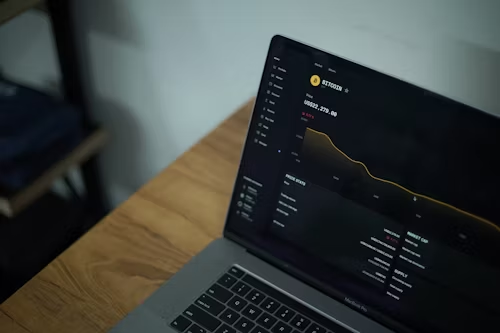
Businesses: what if part of your cash was in Bitcoin?
Businesses: diversify your cash flow with Bitcoin. NovCoin supports you for a secure, structured investment that is in line with your objectives.
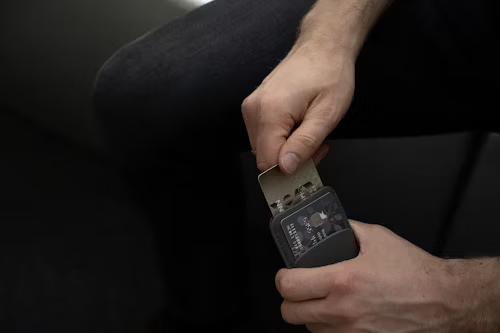
You bought Bitcoin. And now?
Did you buy Bitcoin? NovCoin helps you secure your BTC with a personal wallet that is simple, reliable and free of technical jargon.
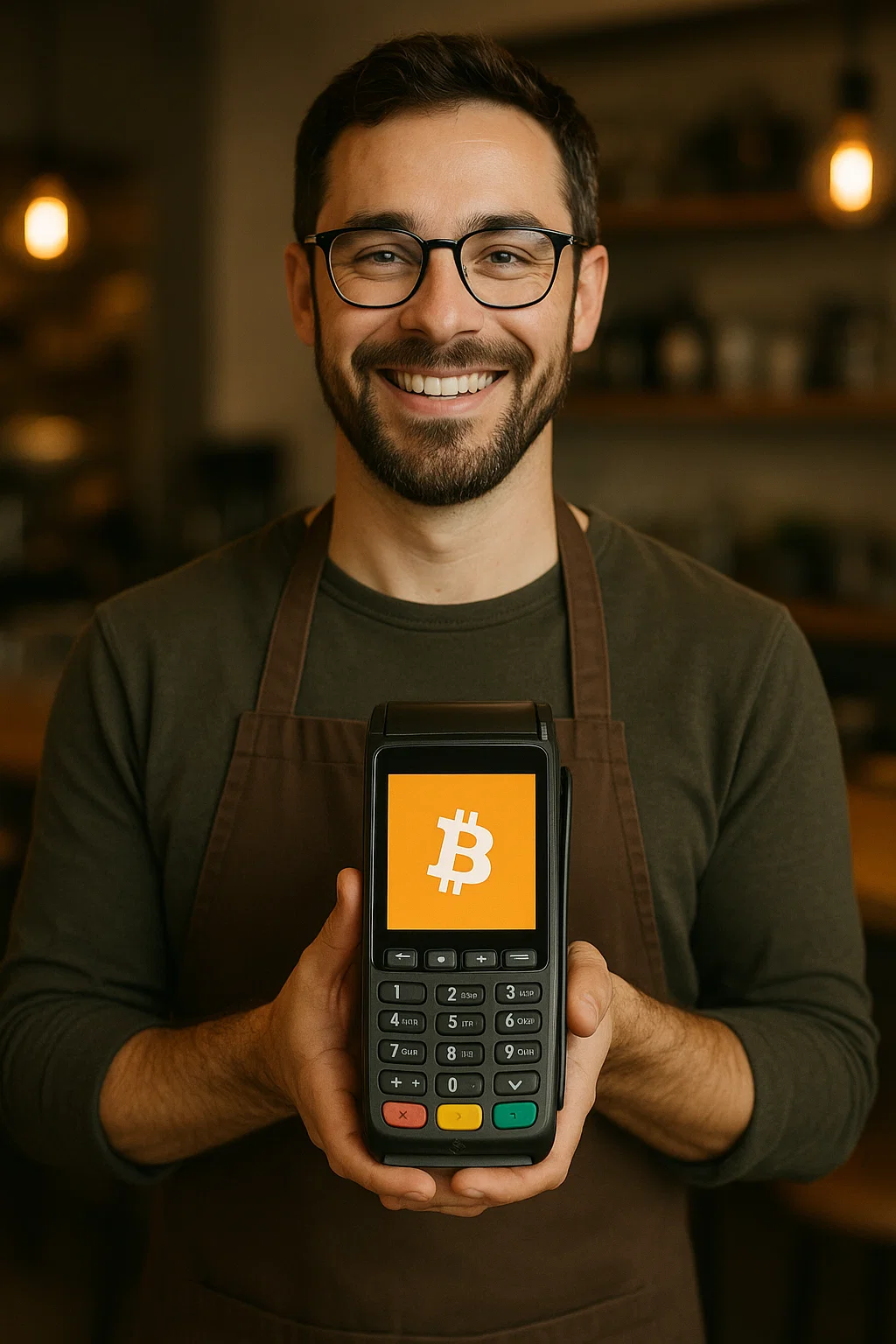
Merchants: understanding and adopting Bitcoin payments
NovCoin helps Belgian retailers reduce fees and attract new customers.