
In Wallonia, the new government has become aware of the social emergency linked to the housing crisis: it has reduced registration fees for first-time buyers from 12.5% to 3%. A strong gesture that reflects the magnitude of the problem.
But one question remains:
Why has real estate become so expensive, far beyond its usage ?
Real estate: use + store of value
Real estate plays two essential roles:
- A concrete use (housing, work, produce),
- A financial function (to serve as a store of value).
In a world where money is losing its purchasing power (that is, its value), individuals seek to protect their savings (in other words, the energy granted in receipt of money) in rare, physical and tangible assets.
Real estate then became a tool to protect against the automatic devaluation of one's savings and therefore a haven for capital.
But this mechanism has a perverse effect:
Capital is frozen in stone.
Result:
- Prices that are soaring
- An offer that is becoming rare
- Less capital for economic development
- And entire generations watching the property go away
What if Bitcoin changed the situation?
Bitcoin is not real estate. But it has characteristics similar to the best reserve assets:
- Absolute rarity (21 million units, not one more)
- No maintenance costs
- No property tax
- No rental management or physical constraints
- Global mobility and liquidity
In other words: Bitcoin is a new form of “digital capital”: scarcity, security and freedom combined in the same asset.
In the long term, it could well become an alternative to real estate as a store of value.
A speculative pressure that could move
If some of the capital that is now stuck in stone moves to Bitcoin, this could:
- Alleviate speculative pressure on real estate.
- Free up homes for real use.
- And give homeownership a chance again, especially for younger generations.
As @Natalie Brunell explained in his podcast Coin Stories, Bitcoin could become a catalyst for social transformation, by rebalancing the function of capital between use and reserve.
Conclusion: giving back access to property
This transition will not happen overnight. But it has already begun.
As Michael Saylor summarizes:
“For the first time in human history, we can grant property rights to eight billion people.”
For many, Bitcoin embodies hope: that of a new form of capital that is more accessible, more fluid, and perhaps the lever for a future where ownership becomes possible again.
And hope matters.
Our Blog
Discover our educational articles, practical guidance, and crypto news to help you better understand, secure, and grow your digital assets.
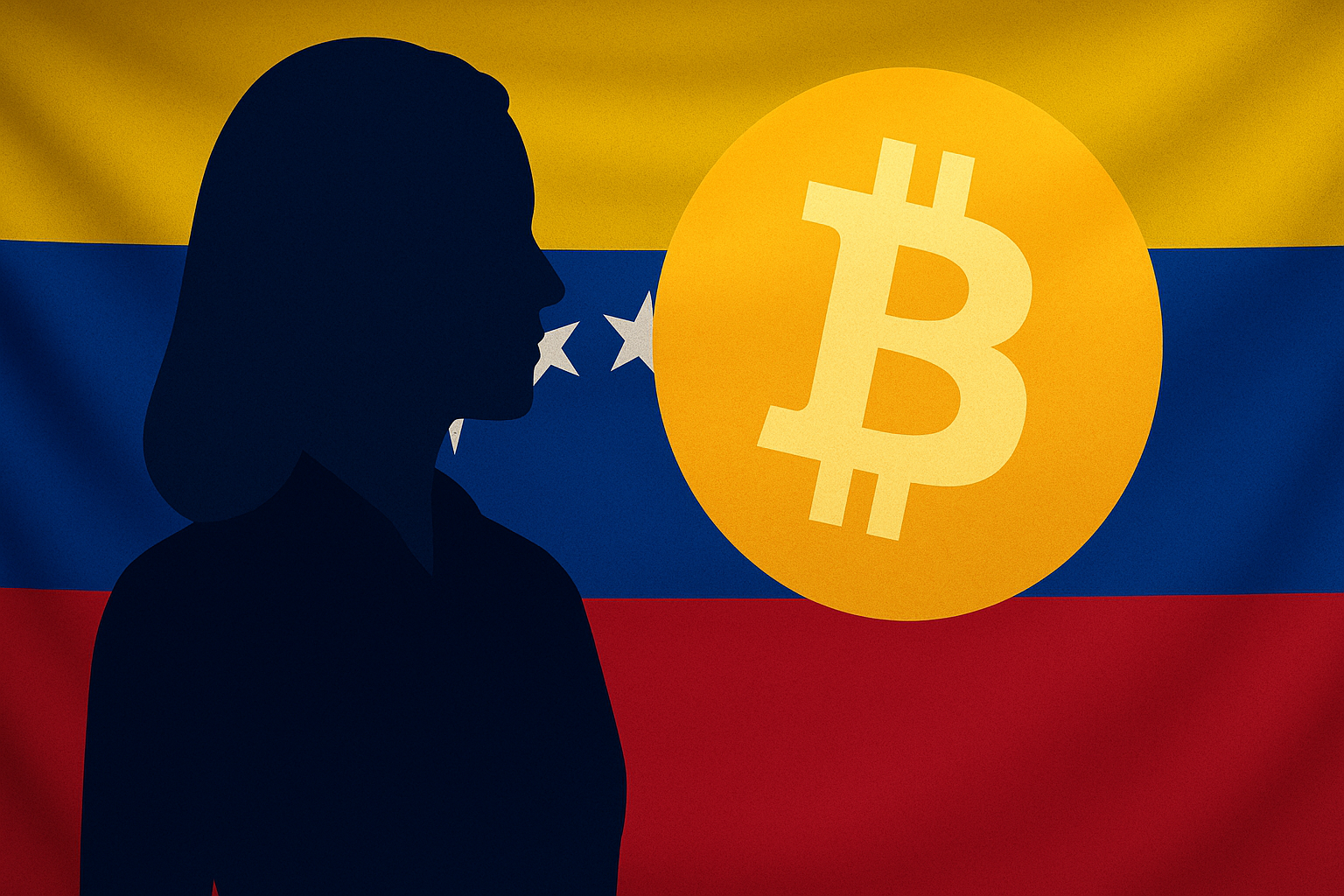
María Corina Machado: a Nobel Peace Prize winner who believes in Bitcoin
María Corina Machado, Nobel Peace Prize 2025, sees Bitcoin as a tool for freedom and resistance in the face of censorship and economic oppression.
Securing your bitcoins: understand, choose, protect
Buy, secure, transmit your cryptos without stress. NovCoin guides you step by step to understand Bitcoin and take control of your digital assets with clarity, security and confidence.
Virunga: when hydropower and Bitcoin support biodiversity
At Virunga Park, hydroelectricity powers a Bitcoin farm whose revenues fund conservation, rangers and local projects, proving the ecological and sovereign impact of responsible mining.
The Bitcoin Whitepaper: Simply Understanding Bitcoin's Foundational Text
Published in 2008 by Satoshi Nakamoto, the Bitcoin Whitepaper presents a decentralized digital currency that allows direct payments between peers without intermediaries, secured by cryptography.

Bitcoin lexicon
This lexicon helps you to simply grasp the key concepts of Bitcoin and its ecosystem, without jargon or complexity.
Bitcoin mining: turning energy into monetary security
Discover how Bitcoin mining works, why it is essential and what its energy impact is. Clear and complete explanation.
Businesses: what if part of your cash was in Bitcoin?
Businesses: diversify your cash flow with Bitcoin. NovCoin supports you for a secure, structured investment that is in line with your objectives.
You bought Bitcoin. And now?
Did you buy Bitcoin? NovCoin helps you secure your BTC with a personal wallet that is simple, reliable and free of technical jargon.

A heritage apart — a heritage at risk
What will happen to your bitcoins in the event of your death? NovCoin helps you plan a transmission that is secure, discreet and in accordance with your wishes.
Merchants: understanding and adopting Bitcoin payments
NovCoin helps Belgian retailers reduce fees and attract new customers.